
Defining Ostropologe: The Essence of the Term
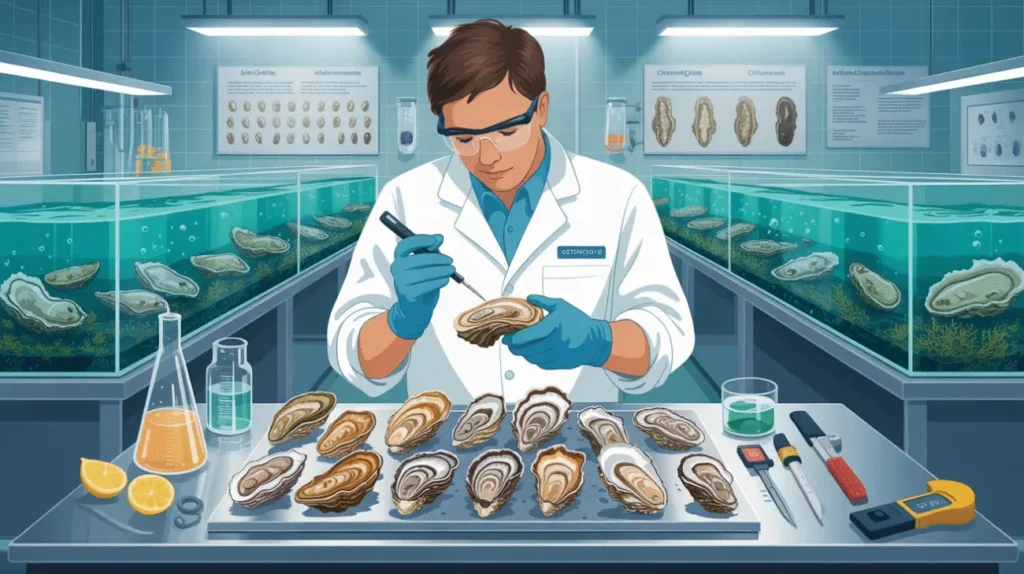
The term ‘ostropologe‘ holds a unique position within various academic and professional discourses, but its essence is often overlooked. Rooted in etymology, the word ‘ostropologe’ combines elements from Greek and Latin, wherein ‘ostro’ relates to shellfish or marine life, and ‘pologe’ denotes a study or specialist. Collectively, this creates a term that fundamentally refers to a specialist in the study of shellfish. This term has evolved over time, adapting to the changing landscape of marine biology and ecology.
Historically, ‘ostropologe’ has been associated with the taxonomic study of mollusks, particularly bivalves and gastropods, which are integral to marine ecosystems. As scientific exploration expanded, so too did the definition of ‘ostropologe’. In contemporary contexts, this term embodies individuals who not only classify but also research, conserve, and engage with marine environments, highlighting its significance beyond mere classification.
In various fields, the applications of ‘ostropologe’ vary significantly. In marine biology, the term is used to refer to professionals who study the anatomy, physiology, and ecology of these organisms. In environmental science, ostropologe can encompass roles that involve the assessment of the impact of human activities on marine habitats. Furthermore, in culinary arts, the expertise of an ostropologe can influence the sustainable harvesting of edible mollusks, reflecting a commitment to ecological balance.
The versatility of ‘ostropologe’ allows it to be relevant across multiple disciplines, underscoring its importance in research, conservation, and sustainable practices. As society continues to place greater emphasis on environmental sustainability, the role of the ostropologe remains crucial in addressing the complexities of marine ecosystems. Understanding this term and its implications is essential for broader discussions around marine life and conservation efforts.
The Role of the Ostropologe in Contemporary Society
The concept of the ostropologe has evolved significantly over recent years, establishing itself as a pivotal figure in various sectors, including academia, research, and industry. In contemporary society, ostropolology contributes unique insights that help tackle complex challenges, thereby validating its relevance. Academics, for instance, frequently engage in interdisciplinary research as ostropologe, melding knowledge from diverse fields like ecology, sociology, and technology to foster innovative solutions.
One prominent case illustrating this impact involves a group of university researchers working in urban development. By applying principles of ostropolology, they devised a comprehensive strategy to enhance urban green spaces, resulting in reduced air pollution and improved community well-being. Such practical applications showcase how ostropologe not only enrich theoretical frameworks but also drive actionable change within urban environments, promoting sustainability.
In the realm of industry, the advent of the ostropologe has ushered in new paradigms, particularly in sectors like technology and healthcare. For instance, a tech company recently employed ostropologe strategies to improve user experience in software applications. By analyzing user behavior and feedback through an ostropolological lens, the organization achieved greater customer satisfaction and increased its market competitiveness.
Moreover, the influence of ostropologe extends into non-profit organizations addressing social issues. By leveraging the holistic understanding inherent in ostropolology, these entities are better equipped to devise initiatives that navigate the intricacies of social challenges. Specifically, humanitarian organizations utilizing ostropologe principles have seen improvements in their outreach and effectiveness, leading to more substantially positive societal impact.
In summary, the ostropologe plays a crucial role in contemporary society, fostering developments across various sectors. Its applicability in academics, industry, and social initiatives underscores the increasing importance of this multifaceted concept in addressing modern challenges and contributing to societal progress.
Challenges and Misunderstandings Surrounding Ostropologe
The term “ostropologe” has emerged as a significant concept in various discussions, yet it is often surrounded by a cloud of misconceptions. A primary challenge is the lack of awareness regarding its true meaning and importance. Many individuals may casually encounter the term without fully understanding its implications, leading to a superficial interpretation that fails to capture its depth. This misunderstanding can result in the term being dismissed or misused, which undermines the genuine efforts of those who identify with the ostropologe.
One of the common misconceptions is that ostropologe refers merely to a niche interest or hobby, rather than a broader, more impactful identity. This perception restricts conversations and diminishes the complexity of the experiences associated with it. Individuals who resonate with this concept often face barriers when attempting to articulate their identity and experiences, leading to feelings of isolation or frustration. This can also manifest in social settings where the ostropologe is viewed with skepticism or seen as irrelevant.
Additionally, there is a tendency to conflate ostropologe with other terminologies that lack the same nuanced meaning. The differentiation between related concepts is crucial for promoting a better understanding of the unique attributes that define an ostropologe. By clarifying these distinctions, further dialogue can be nurtured, allowing for personal stories and insights to emerge. Awareness and education about the term can empower individuals who identify with it to embrace their identity fully and foster a more inclusive community.
Addressing these challenges involves encouraging ongoing discussions and highlighting the intrinsic value of recognizing the true essence of ostropologe. Through collective efforts to dispel misconceptions, greater acceptance and understanding can be achieved, benefiting both individuals and the community at large.
Future Directions: Evolving Perspectives on Ostropologe
The field of ostropologe is on the brink of significant transformation, driven by a multitude of emerging trends and advancements. As research progresses, experts predict that our understanding and application of ostropologe will expand beyond its traditional confines, embracing interdisciplinary approaches and fostering more inclusive dialogue amongst varied fields of study. This evolution hints at a more holistic comprehension of the subject, integrating insights from sociology, anthropology, and even environmental studies.
Additionally, technological advancements are set to play a pivotal role in shaping the future of ostropologe. With the advent of big data and machine learning, researchers now have unprecedented access to vast datasets that can unveil new patterns and connections within the field. Such innovations could lead to refined methodologies that prioritize predictive analysis and model-building, empowering practitioners to devise fresher strategies for implementing ostropologe principles in real-world scenarios.
Furthermore, the increasing globalization of research is likely to cultivate a rich exchange of ideas surrounding ostropologe. As scholars from diverse cultural and academic backgrounds collaborate, fresh paradigms can emerge, thereby challenging conventional perceptions and broadening the discipline’s scope. This collaboration may also spur public engagement, meaning the discourse on ostropologe could extend into community-based projects and educational initiatives. Involving stakeholders at various levels can further enhance the relevance and applicability of ostropologe, making it a living field that reflects contemporary societal dynamics.
Engagement from thought leaders in academia and industry will be crucial in steering the future of ostropologe. Their insights can illuminate new pathways for research and application, thus establishing a progressive dialogue that sustains the field’s momentum. As we navigate the complexities of our evolving world, it becomes increasingly vital to acknowledge the role of ostropologe in informing future practices and shaping societal discourses.